Essential Tools for Beginner Electronics Repair
Entering the field of electronics repair requires a foundational set of tools that enable safe and effective diagnosis of common faults. For beginners, assembling a basic toolkit is a critical first step that balances cost, functionality, and ease of use. The right tools not only facilitate troubleshooting but also help prevent damage to sensitive components. This article provides an overview of essential tools, focusing on their roles in diagnosing and addressing typical issues encountered in electronic devices.
Whether you are repairing household appliances, consumer electronics, or hobbyist projects, having the appropriate instruments is key to understanding circuit behavior. A systematic approach to tool selection can streamline the learning process and build confidence. The following sections discuss core tools such as the digital multimeter, soldering iron, and screwdriver set, explaining how each contributes to fault identification and repair.
It is important to note that proficiency in electronics repair develops over time with practice and adherence to safety protocols. The information presented here is intended to inform beginners about tool functions and applications, without implying guaranteed results or replacing professional guidance. Always consult device documentation and follow established safety practices when working with electrical systems.
The Role of a Digital Multimeter in Fault Diagnosis
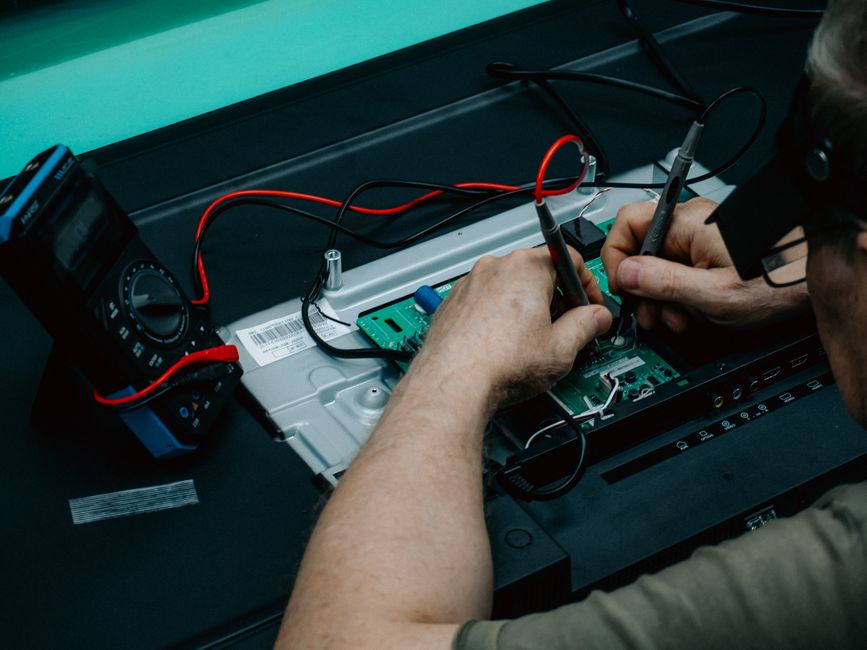
A digital multimeter is arguably the most versatile tool for beginners in electronics repair. It measures voltage, current, and resistance, allowing users to verify circuit conditions and identify anomalies. By selecting the appropriate mode, one can check for continuity, assess battery health, or test components like resistors and capacitors. This tool provides quantitative data that helps narrow down the source of a problem, such as a short circuit or an open connection.
When using a digital multimeter, it is essential to understand the device under test and the expected measurements. For instance, measuring voltage across a component can reveal whether power is reaching it, while resistance checks can indicate if a component has failed. Many models include additional features like diode testing and capacitance measurement, which can be useful for specific diagnostics. Beginners should familiarize themselves with the multimeter’s controls and safety ratings to avoid inaccurate readings or damage.
In practice, a digital multimeter aids in systematically tracing faults through a circuit. Starting from the power source and working towards the output, one can measure voltages at key points to locate where the signal deviates from expected values. This logical approach reduces guesswork and increases efficiency. Over time, users develop intuition for interpreting readings and relating them to circuit behavior.
Soldering Iron: Making and Repairing Connections
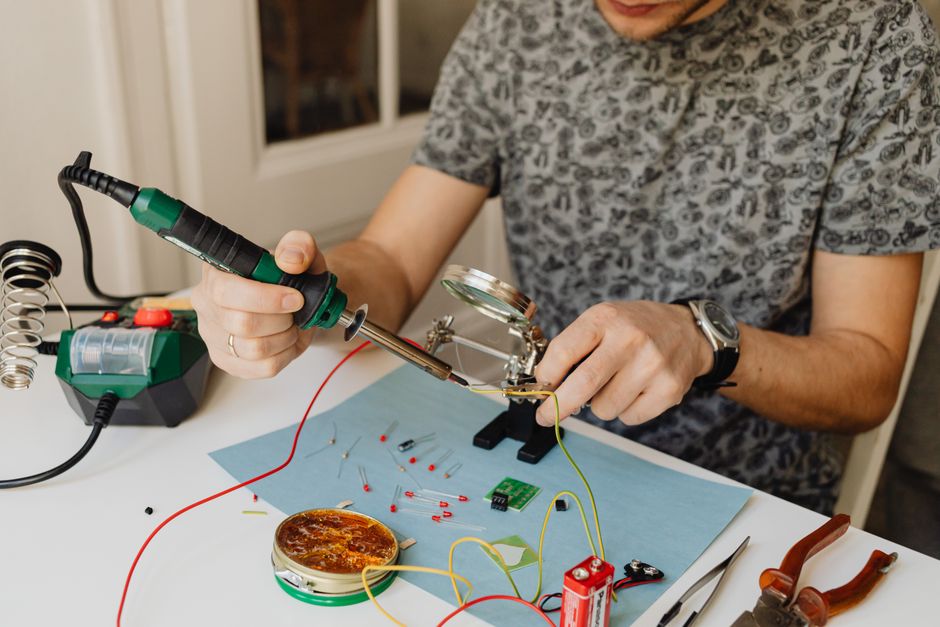
A soldering iron is indispensable for creating and repairing electrical connections. It allows users to join components to circuit boards, replace damaged parts, and reflow solder joints that may have cracked. For beginners, a temperature-controlled soldering iron with adjustable settings is often recommended, as it provides flexibility for different soldering tasks. The ability to make reliable solder joints is fundamental to many repair procedures.
Using a soldering iron involves heating the joint and applying solder to form a secure electrical bond. Proper technique includes cleaning the tip, tinning it with solder, and applying heat to both the component lead and the pad before introducing solder. This process requires practice to avoid cold joints or damage to heat-sensitive components. Beginners should start with simple projects to build skill and confidence.
In diagnosis, soldering can be part of the repair process after a fault has been identified. For example, if a multimeter indicates an open circuit due to a broken solder joint, re-soldering can restore functionality. However, soldering is not a diagnostic tool itself; it is a means to implement fixes. Safety considerations include working in a well-ventilated area and using a stand to prevent burns.
Screwdriver Set and Other Hand Tools
A comprehensive screwdriver set is essential for opening electronic enclosures and accessing internal components. Electronic devices often use specialized screws such as Phillips, flathead, Torx, and hex, so a set with multiple bits is practical. Precision screwdrivers are particularly useful for small electronics like smartphones and laptops. Without the correct screwdriver, one risks stripping screw heads and causing unnecessary damage.
Beyond screwdrivers, other hand tools like pliers, wire cutters, and tweezers are valuable for manipulating wires and components. Needle-nose pliers can help in gripping small parts, while wire cutters are used for trimming leads. Tweezers assist in placing tiny components during soldering. These tools, while simple, contribute significantly to the ease and safety of repair tasks.
When diagnosing faults, hand tools are primarily used for disassembly and reassembly, allowing access to test points. They do not directly provide diagnostic information but are necessary for the physical aspects of repair. Beginners should choose tools made from durable materials and consider ergonomics to reduce fatigue during extended use.
Additional Tools and Best Practices
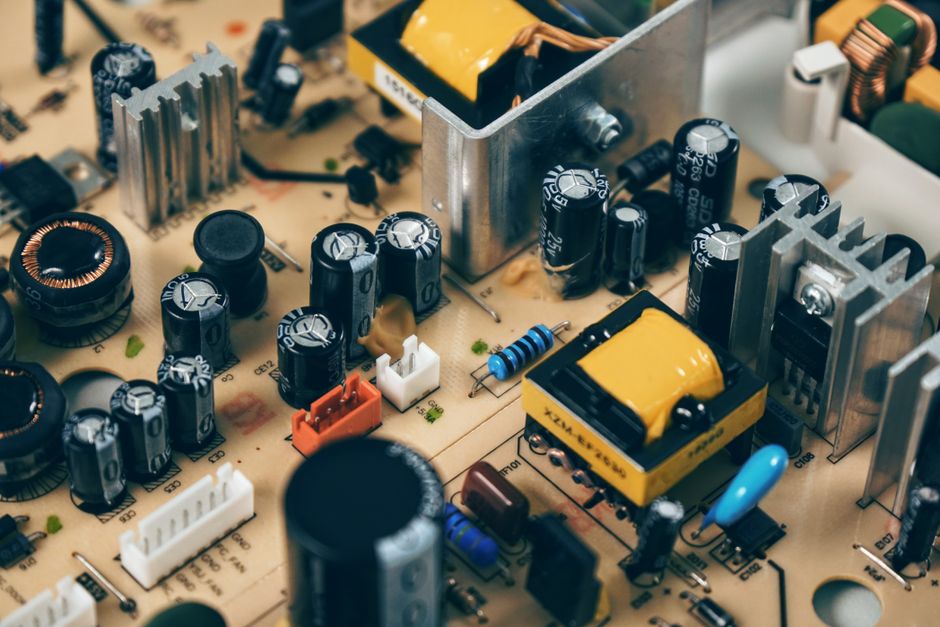
While the digital multimeter, soldering iron, and screwdriver set form the core of a beginner’s toolkit, other items can enhance diagnostic capabilities. A power supply with adjustable voltage and current limiting is useful for powering circuits under test. An oscilloscope, though more advanced, can visualize waveforms and aid in signal analysis. For beginners, a breadboard and jumper wires facilitate prototyping and testing without soldering.
Safety equipment such as safety glasses, anti-static wrist straps, and a fire extinguisher are also important. Electrostatic discharge can damage sensitive components, so using an anti-static mat and wrist strap is advisable. Additionally, good lighting and magnification tools like a magnifying glass or microscope can help with inspecting solder joints and small components.
Developing a systematic diagnostic approach is as important as having the right tools. This includes visually inspecting the device, checking power sources, and using the multimeter to verify voltages and resistances. Documenting findings and referring to schematics when available can guide the process. Patience and methodical thinking often lead to successful repairs.
Finally, beginners should prioritize learning and safety over speed. Repairing electronics can be rewarding but also carries risks if proper precautions are not taken. Seeking guidance from experienced technicians or reputable online resources can supplement hands-on practice. Remember that tools are enablers; the real skill lies in understanding how circuits work and applying diagnostic logic.