FixCircuit

Discover practical repair guides for diagnosing home electronics, from power supplies to motors, with step-by-step instructions for beginners and DIY enthusiasts.

Common Questions About Our Diagnostic Methods and Procedures

  • What basic tools are needed to begin diagnosing home electronics?
    Fundamental diagnostic work typically requires a digital multimeter, insulated hand tools, and basic safety gear. Specific projects may also need an oscilloscope or variable power supply.
  • How are diagnostic steps structured for power supply circuits?
    The guides typically follow a sequence: initial visual inspection, verification of input and output voltages, then component-level checks. Following this order helps isolate faults systematically while reducing the risk of further damage.
  • What safety measures should be taken when testing motors?
    Safe motor diagnosis begins with disconnecting power and allowing the unit to discharge fully. Using properly rated test equipment is also standard practice, as outcomes depend on circuit conditions and adherence to established protocol.
  • Can I be certain the diagnostic methods will identify all faults?
    No diagnostic approach can guarantee identification of every possible fault. Complex or intermittent issues often require multiple tests and careful observation. The methods aim to narrow down likely causes but results vary with specific circumstances.
  • How are the repair guides designed to assist beginners?
    Guides present procedures in straightforward language with listed steps that can be paused and reviewed. They explain the reasoning behind each stage rather than giving conclusive advice. Feedback from the community may help intermediate learners.

Your Go-To Guide for Home Electronics Repair

Diagnosing and repairing home electronics can seem daunting, but with the right approach, even beginners can tackle common issues. Whether it’s a faulty power supply or a motor that won’t start, understanding the basics of electronic diagnostics is the first step toward a successful repair.

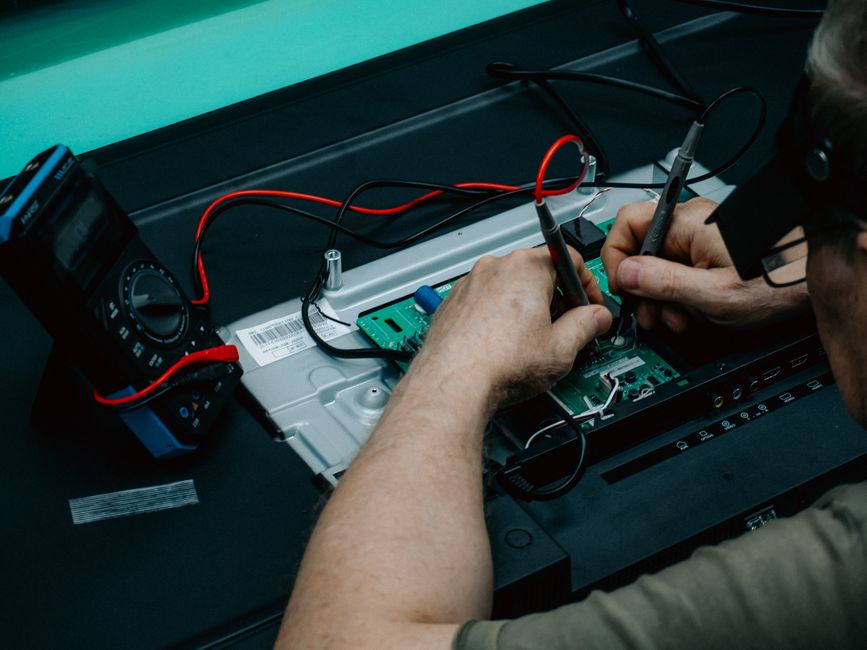
Start by identifying the symptom and tracing it back to the source. Use a multimeter to check voltages, inspect for visible damage like burnt components, and test continuity. For motors, listen for unusual noises and check for blockages or worn brushes. Always unplug devices before working on them.

With practice, you’ll be able to diagnose and fix many household electronics. Remember to work safely, use the right tools, and consult our step-by-step guides for specific devices. FixCircuit is here to help you master DIY repairs.