01
Initial Fault Identification
Documenting symptoms falls first—observing device behavior, error codes, and user-reported issues without assumption.
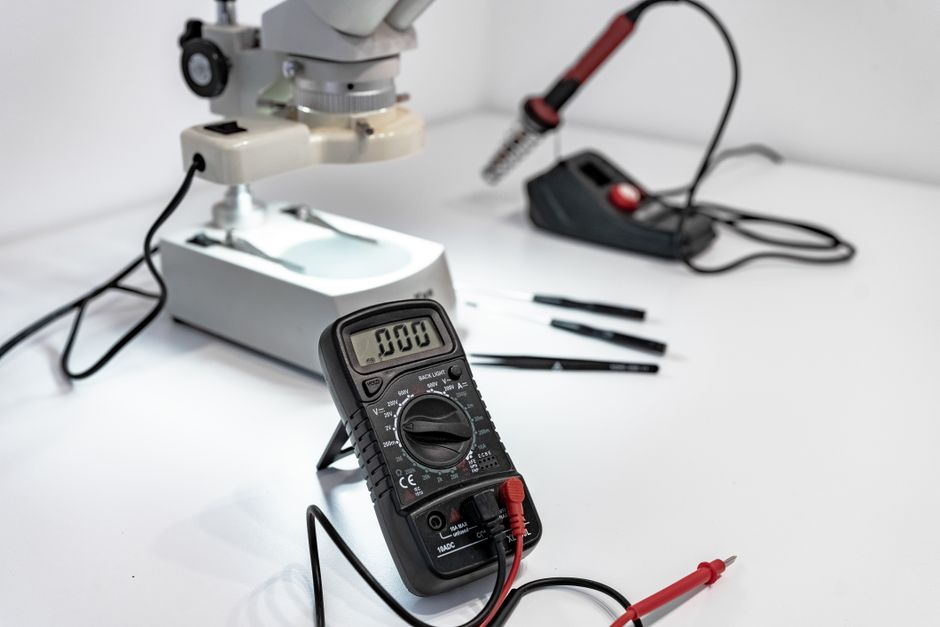
At FixCircuit, we build on practical experience with common household electronics. Our diagnostic methods include multimeter testing to check voltage, current, and continuity, as well as circuit analysis and component inspection to identify potential faults. Safety standards guide each step—we isolate power sources, use insulated tools, and follow documented procedures to maintain a controlled working environment. This hands-on background covers a range of everyday appliances. The methods we describe are foundational techniques for systematic troubleshooting. Individual results depend on multiple factors, including the device's condition and the specific fault present.
Documenting symptoms falls first—observing device behavior, error codes, and user-reported issues without assumption.
Applying non-invasive measurements, such as voltage and resistance checks, to isolate possibly faulty sections.
Examining individual parts on the board for parametric drift, physical damage, or intermittent behavior.
Retesting under controlled conditions—not all faults reproduce consistently, and results depend on the specific device state.
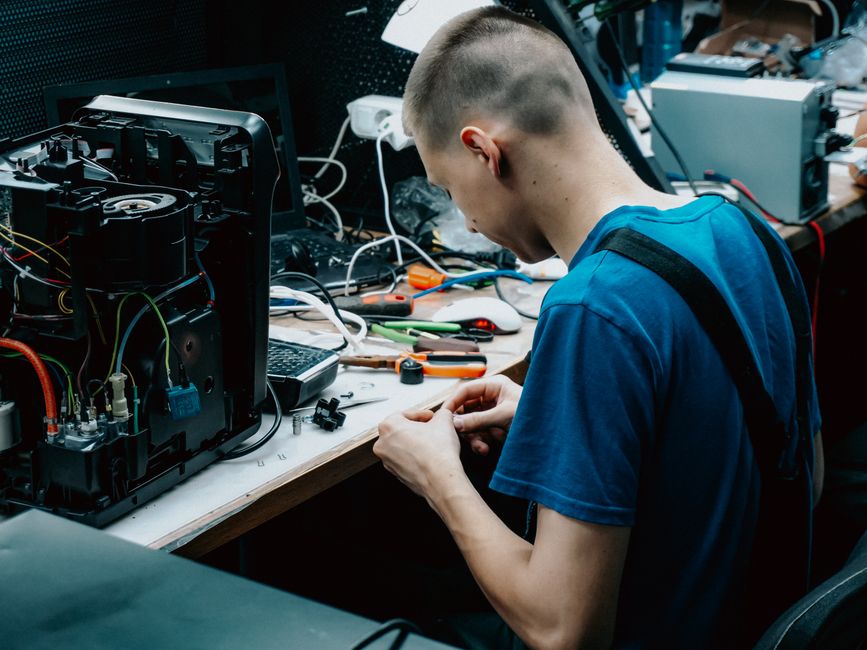
At FixCircuit, our technical background centers on a methodical approach to electronics diagnostics. We prioritize systematic troubleshooting—visual inspections, circuit tracing, and component-level testing—before attempting any repair. Safety standards guide every step, including proper isolation and protective measures. Ongoing learning remains essential as appliance technology evolves. Our experience spans common household items such as refrigerators, washers, dryers, and microwaves. Each case varies, shaped by the specific failure mode and appliance condition; we do not promise particular outcomes. Our goal is to apply consistent, structured diagnostic practices and open documentation for educational purposes.
The step-by-step diagnostics for power supply boards helped me structure my own troubleshooting. The explanations are clear and concise without assuming prior expert knowledge.
I found the safety guidelines for motor and circuit checks particularly useful as a beginner. The articles stay conditional and steer clear of overpromising specific outcomes.
This collaborative reference has been helpful in explaining diagnostic methods to students in my local repair group. It does not claim to replace independent judgment or practice.
This page provides informational content about technical aspects of electronics repair, including diagnostic approaches and safety standards. It is intended solely for educational purposes and does not constitute professional advice or replace the judgment of a qualified technician. Repair results depend on many factors, such as the device's condition, the specific fault, and the user's skill level. We do not guarantee outcomes, and readers should proceed carefully, recognizing their own limitations. When in doubt, consulting a professional is recommended.